How Space Shapes Interaction
Furniture placement is not merely aesthetic—it's a form of spatial choreography that influences how people move, where they look, and how they connect. In drawing rooms, every piece of furniture serves a dual purpose: functional comfort and social facilitation.
Research in environmental psychology suggests that spatial arrangement can significantly impact conversation quality, comfort levels, and group dynamics. We apply these principles to create layouts that feel both intentional and natural.
Intimate Groups
Creating Close Connection
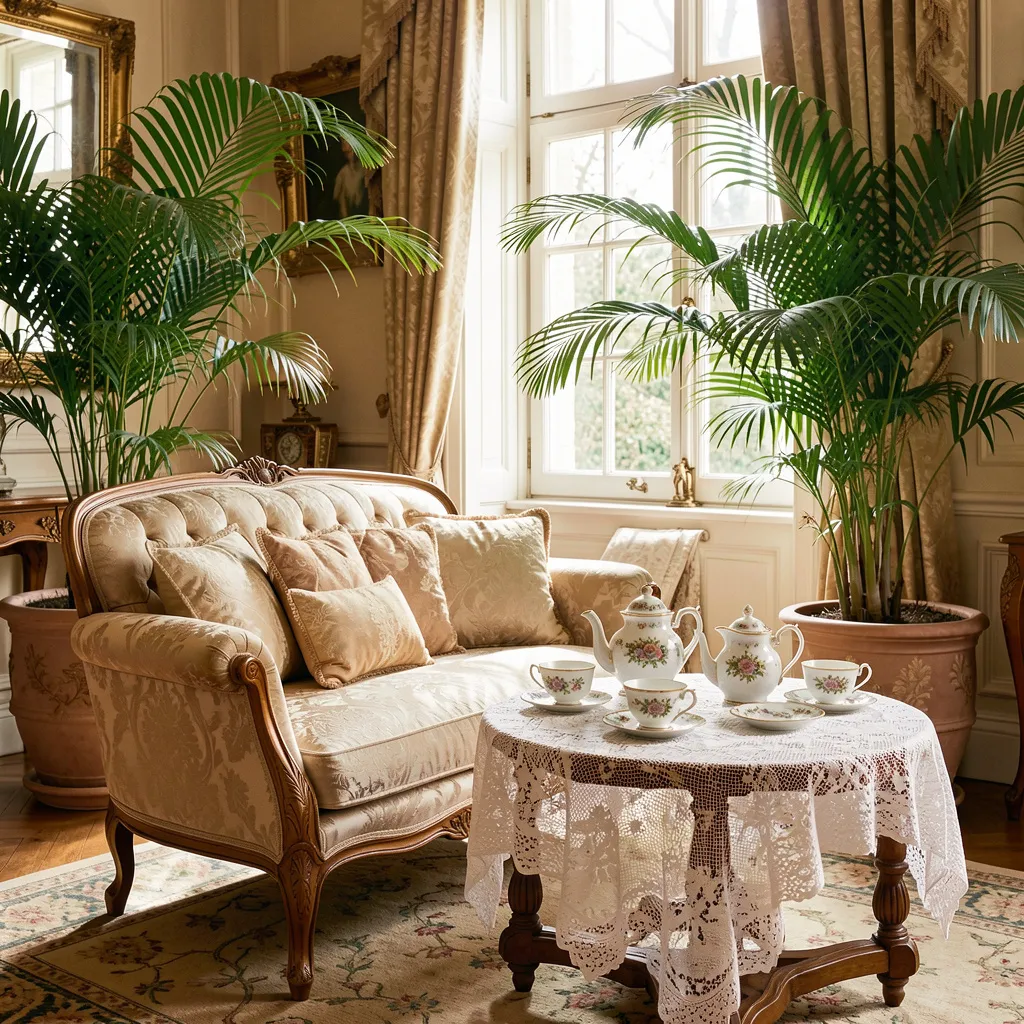
For intimate gatherings of two to four people, we design conversation clusters that encourage eye contact and shared attention. Seating is arranged at angles that facilitate natural dialogue—typically 90 to 120 degrees apart, allowing participants to face each other comfortably.
Key elements include:
- Seating positioned 1.2 to 1.8 meters apart
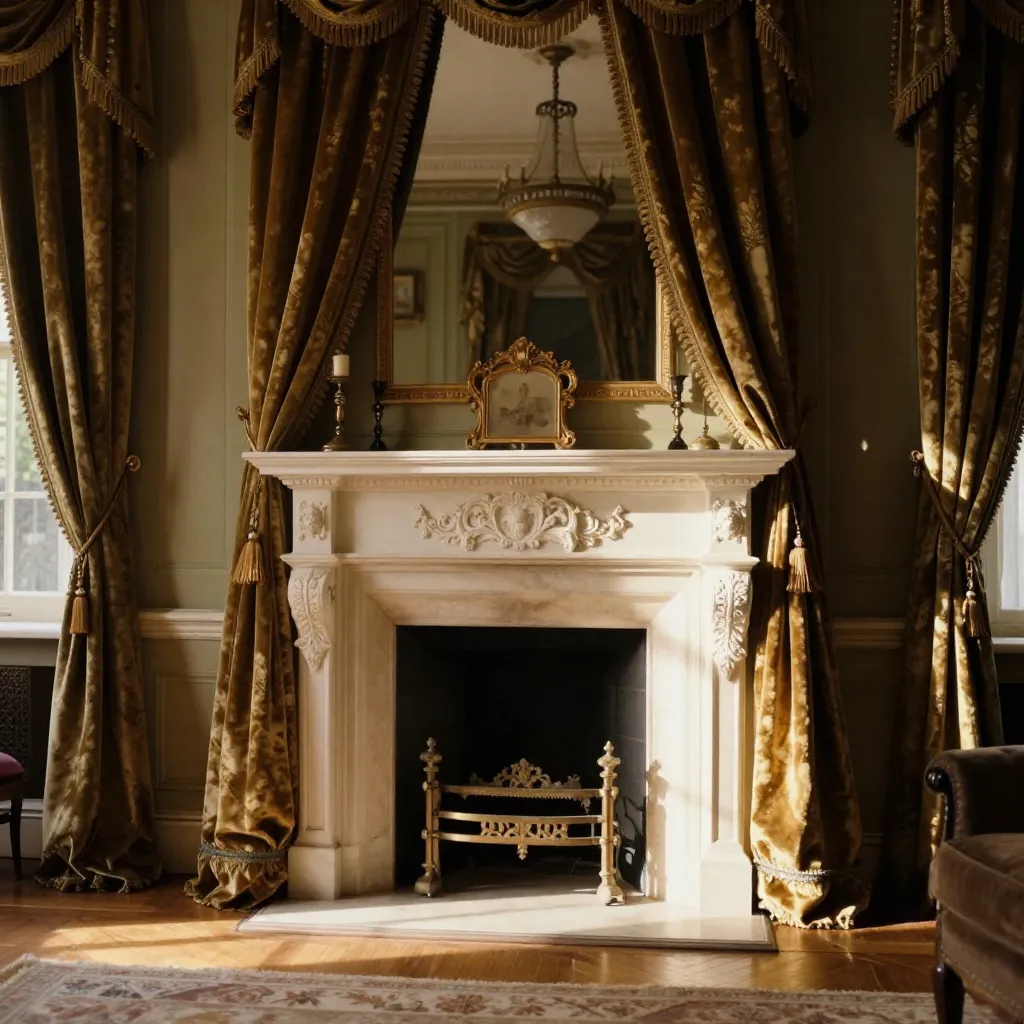
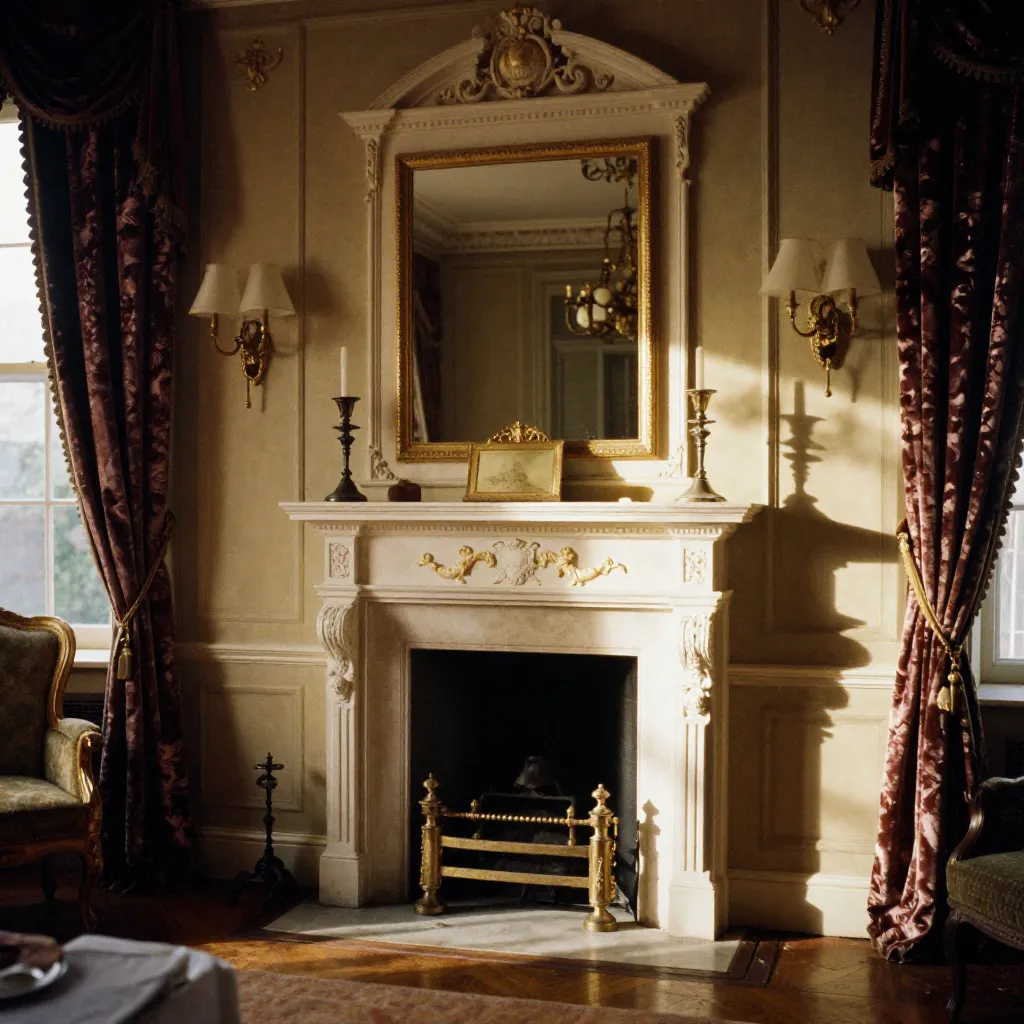
- Shared focal points like fireplaces or artwork
- Low tables within easy reach for drinks and books
- Soft lighting that creates a sense of enclosure
Grand Hosting
Multiple Focal Points
For larger gatherings, we create spaces that allow smaller groups to form organically while maintaining a sense of unity. This requires establishing multiple conversation zones, each with its own character and purpose.
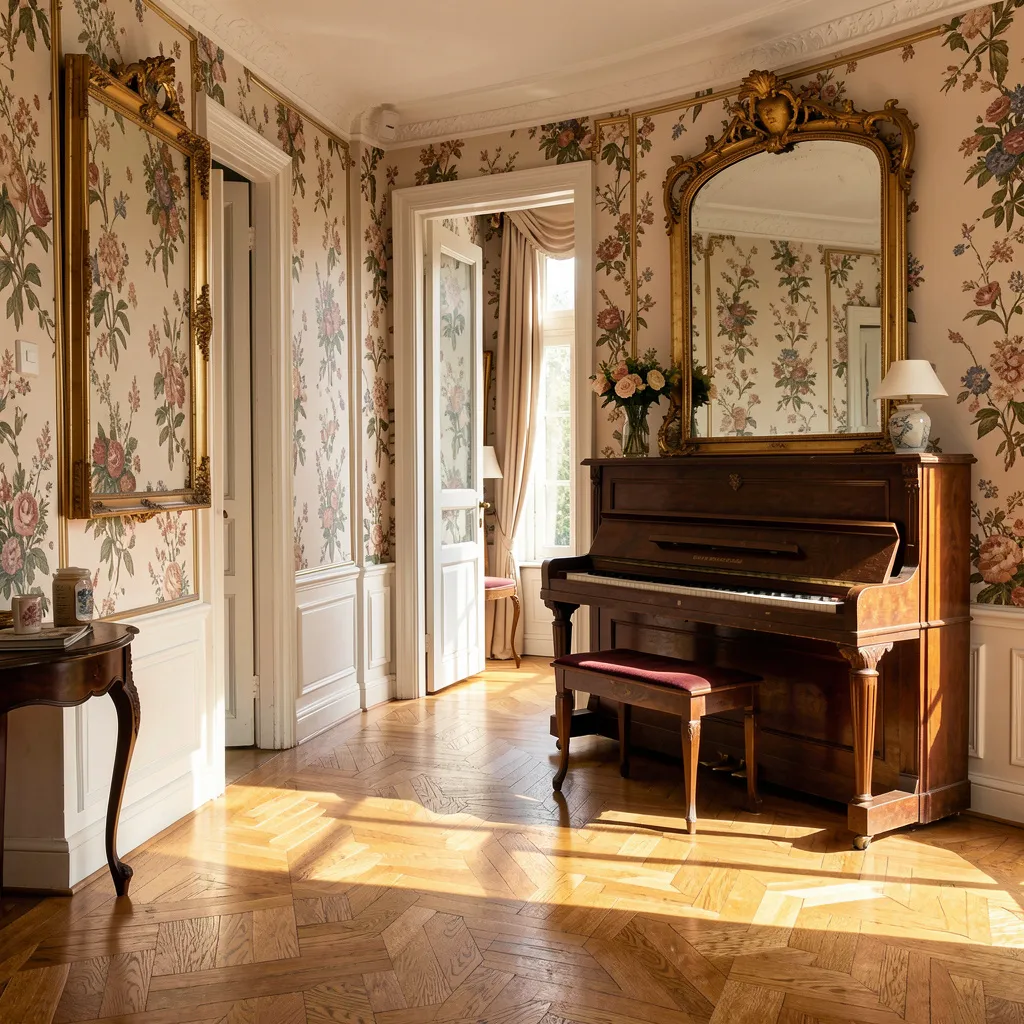
Strategic placement of furniture creates natural pathways and gathering areas. A grand piano might anchor one corner, while a fireplace draws attention to another. Seating groups are positioned to allow easy movement between zones, encouraging mingling while providing intimate spaces for deeper conversation.
The goal is flexibility: a space that can accommodate both large social events and smaller, more focused interactions without feeling empty or overcrowded.
Mapping Conversation Zones
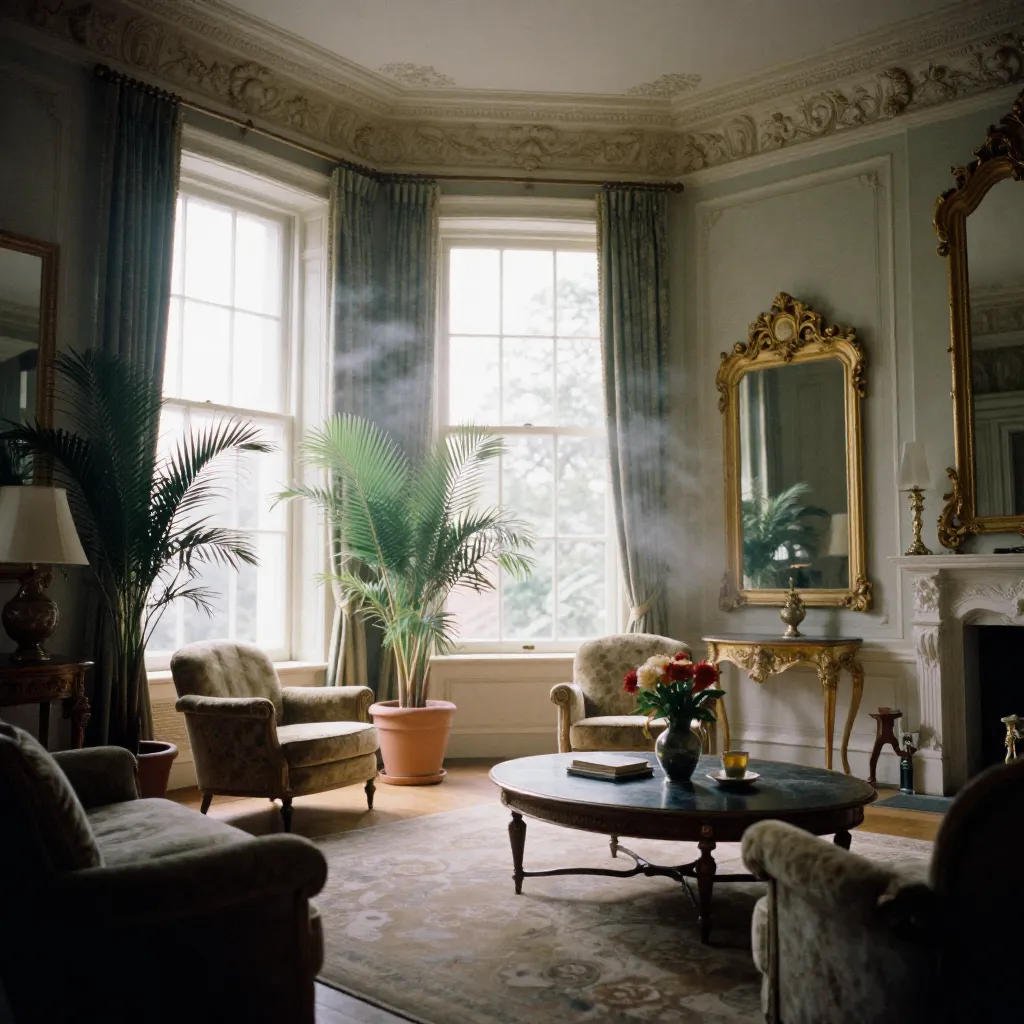
Every drawing room contains natural zones that encourage different types of interaction. We identify and enhance these areas through strategic furniture placement and visual hierarchy.
Primary Zone
The main seating area, typically centered around a fireplace or focal point. This is where the primary conversation happens, and furniture is arranged to maximize engagement.
Secondary Zone
A quieter area, perhaps near a window or bookshelf, designed for one-on-one conversations or quiet reflection. Seating is more intimate, with less visual prominence.
Transitional Space
Areas between zones that allow natural flow. These spaces might include standing-height surfaces, side tables, or decorative elements that guide movement.
From Concept to Reality
Working with Your Space
Every room has unique characteristics: window placement, architectural features, natural traffic patterns. We begin by analyzing these elements to understand the space's inherent flow.
Our design process includes creating detailed floor plans that map out conversation zones, traffic patterns, and focal points. These plans serve as blueprints for furniture selection and placement, ensuring every piece contributes to the overall social dynamic.
Whether working with a grand Victorian parlor or a modern open-plan space, the principles of spatial choreography remain the same: create zones that feel natural, encourage connection, and support the type of interaction you want to foster.
Discuss Your Space